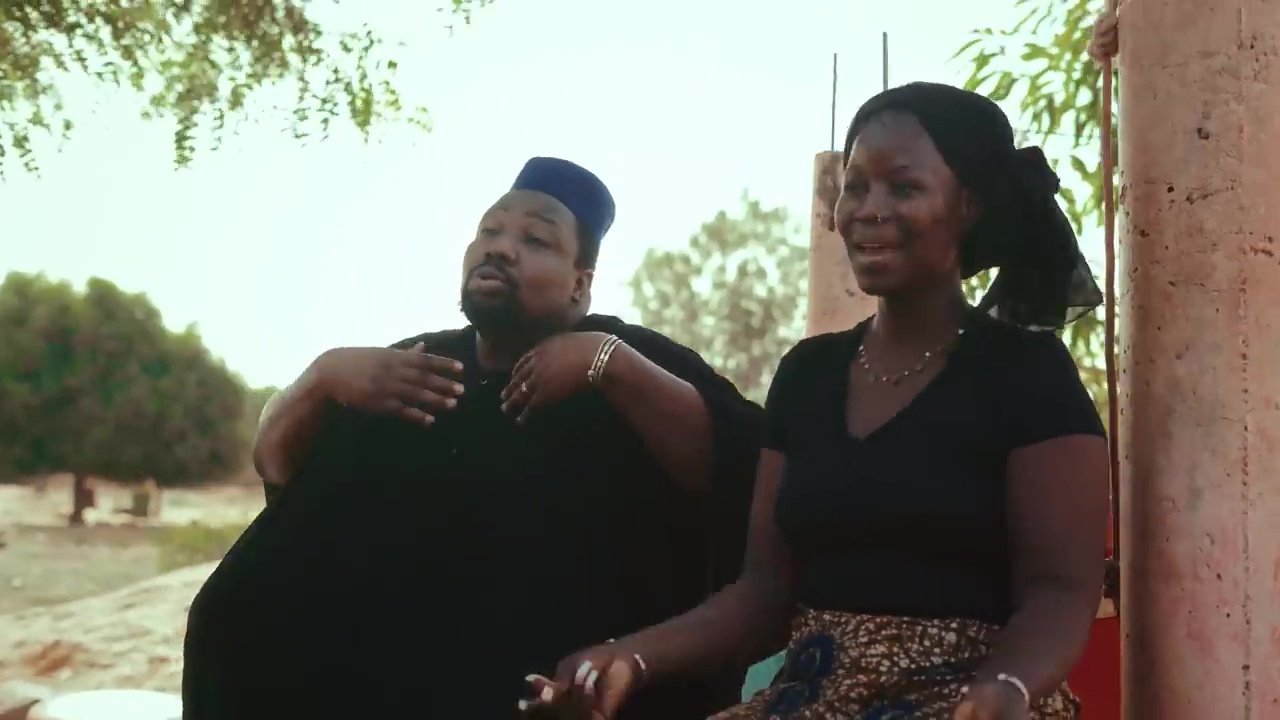
The famous Malian comedian and singer Claba continues his musical journey with the release of a deeply meaningful single titled « Fourou » (Marriage). In this new project, he joins forces with the exceptionally gifted Assanatou Doumbia, also known as Massadeni, a rising star from the Kalana region (Wassoulou).
A Traditional « Counsel Song » for Modern Times « Fourou » is more than just a melody; it follows the rich Malian tradition of songs that provide social and moral guidance. As wedding seasons approach, Claba and Assanatou Doumbia address future couples with wisdom and benevolence. The lyrics emphasize mutual respect, understanding, and the importance of household cohesion. The artists highlight how communication and daily behavior are the pillars of a lasting union.
A Message to In-Laws and Families A unique aspect of this track is the plea for tolerance directed at the extended families. The artists call for restraint and kindness from both sides of the family to ensure peace within the new couple’s home. They provide practical advice to the newlyweds: avoid late nights out at social circles (the « grin »), ignore gossip, and prioritize the sanctity of their home over constant outings.
Visual Excellence by Souad Design The official music video, directed by Souad Design of Kob Creator’s Studio, beautifully captures the essence of Malian culture. The visuals complement the song’s educational theme, making it a powerful tool for cultural transmission.
With « Fourou, » Claba proves once again that art can be both entertaining and transformative. Assanatou Doumbia’s soulful performance marks her as a breakthrough talent to watch closely in the coming years.
Watch « Fourou » by Claba featuring Assanatou Doumbia. A beautiful tribute to Malian wedding traditions and family values.
🏡🎶💍 Soumaila Kanouté: A Powerful and Defining Start to 2026
The year 2026 is off to an exceptional start for Soumaila Kanouté. The Malian-Guinean artist is making headlines with a series of major milestones that blend personal achievement, musical consistency, and life-changing events.
Within just a few weeks, he has unveiled a luxury residence, released a new music video, and celebrated his marriage — a sequence that reflects both his evolution and growing influence in West African music.
Soumaila Kanoute unveils his luxury residence
🏡 A Luxury Villa Built on Over a Decade of Hard Work (February 24, 2026)
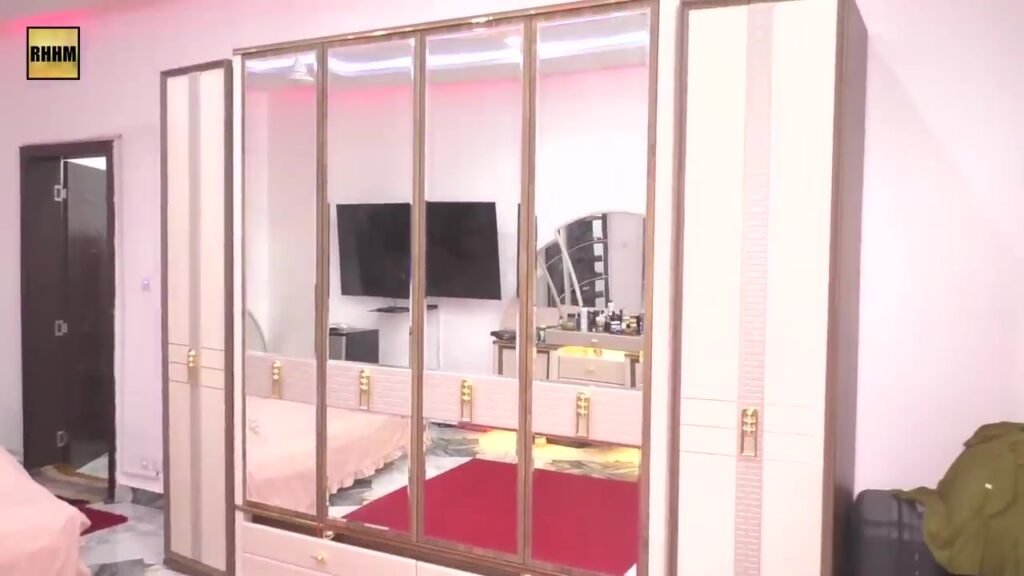
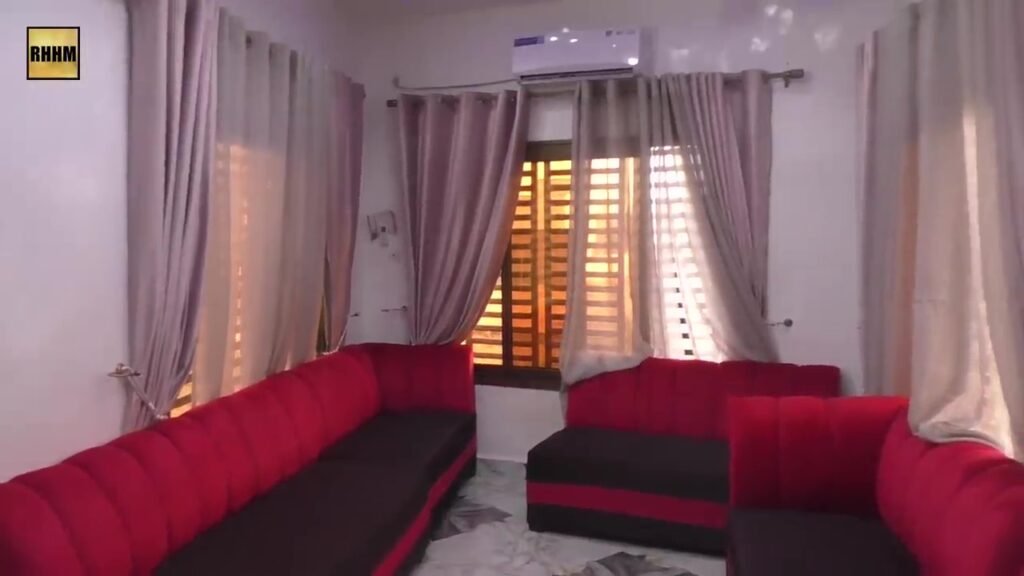
On February 24, 2026, Soumaila Kanouté introduced his brand-new home in an exclusive video report. More than just a property, this residence stands as the result of over ten years of dedication, sacrifice, and perseverance.
During the visit, the artist was surrounded by close family members, including his mother and younger sister. The moment was filled with emotion, blessings, and gratitude, highlighting the importance of family and spiritual grounding in his journey.
He also took the opportunity to reflect on his personal and professional path, emphasizing that faith, discipline, and patience have played a central role in his success.
Soumaïla Kanouté – Visite de la nouvelle résidence – RHHM Reportages
🏠 A High-End Residence Combining Comfort and Creativity
The villa showcases a modern and refined architectural style, designed to offer both comfort and functionality. It includes:
A spacious and elegant living room, ideal for hosting guests
A luxurious master bedroom with high-end finishes
Several guest rooms designed for comfort and privacy
Multiple modern bathrooms equipped with contemporary features
A fully equipped private recording studio 🎧
A secure garage suitable for high-end vehicles
👉 This residence is not only a symbol of success but also a strategic creative space, allowing the artist to produce music in a controlled and professional environment.
Throughout the report, Soumaila Kanouté also reaffirmed his artistic identity, rooted in social awareness and cultural storytelling, which has earned him recognition across Mali and Guinea.
🎶 “Namarama”: A Modern Music Video with a Strong Message (March 20, 2026)
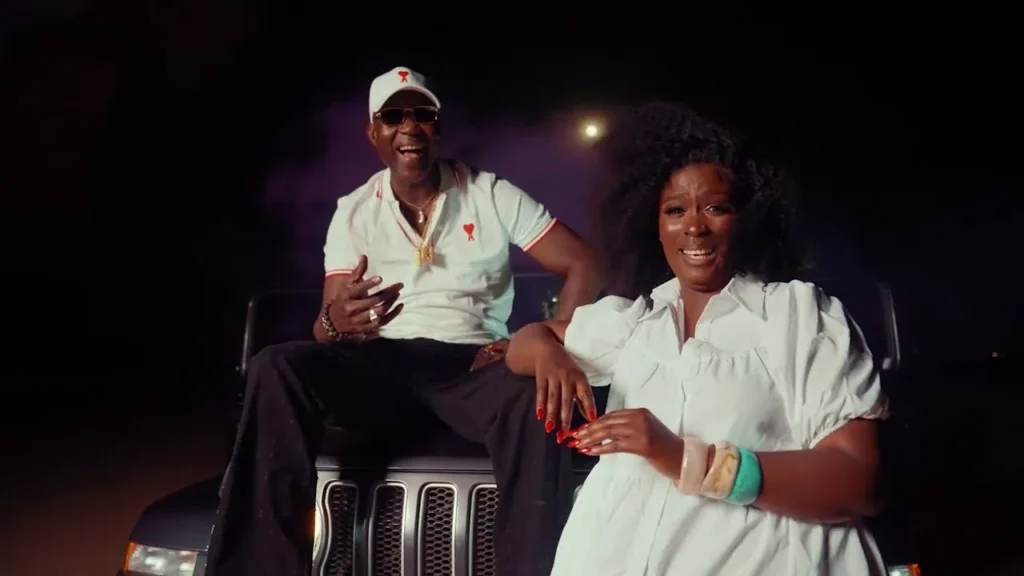
Less than a month later, on March 20, 2026, Soumaila Kanouté returned to the spotlight with the release of his new music video “Namarama.”
The track was produced by Baba Le Génie and visually directed by Kam’s Productions, a name well known in the Malian music industry for collaborating with several prominent artists.
🎬 A Clean and Dynamic Visual Concept
The video embraces a simple yet effective artistic direction, combining multiple settings:
A poolside terrace that conveys relaxation and lifestyle
A vibrant dance club atmosphere with energetic choreography
Night scenes in a parking area illuminated by car headlights
Carefully staged performances with dancers dressed in coordinated outfits
The visual approach focuses on accessibility, rhythm, and atmosphere, creating a balance between entertainment and storytelling.
💬 A Message Rooted in Values
Beyond the aesthetics, “Namarama” carries a clear and meaningful message. Through his lyrics and visuals, Soumaila Kanouté encourages:
Humility in success
Respect in social relationships
A strong sense of identity and self-worth
👉 This message aligns perfectly with his artistic positioning, as he continues to produce music that resonates with everyday realities and moral values.
SOUMAÏLA KANOUTÉ – NAMARAMA (Clip Officiel 2026) Album DAKANSOUMAÏLA KANOUTÉ – NAMARAMA (Clip Officiel 2026) Album DAKAN
💍 Wedding: A New Chapter in His Personal Life (March 22, 2026)
Just two days after releasing “Namarama,” on March 22, 2026, Soumaila Kanouté officially celebrated his marriage, marking a significant turning point in his personal life.
Dressed entirely in white, the couple appeared elegant and radiant, sharing joyful moments in front of cameras and guests. The ceremony reflected both tradition and modernity, highlighting cultural identity while embracing contemporary aesthetics.
This union symbolizes stability, emotional fulfillment, and a renewed sense of balance, reinforcing the artist’s image as someone who successfully combines career growth with personal happiness.
🔥 In just a short period, Soumaila Kanouté has demonstrated remarkable momentum by achieving three major milestones:
In just a short period, Soumaila Kanouté has demonstrated remarkable momentum by achieving three major milestones:
Investing in a prestigious and symbolic residence 🏡
Releasing a meaningful and visually engaging music video 🎶
Entering a new phase of life through marriage 💍
👉 This combination of success, creativity, and personal fulfillment solidifies his position as a leading figure in the West African music scene.
With a strong foundation and clear artistic direction, Soumaila Kanouté continues to build a career that resonates beyond borders.
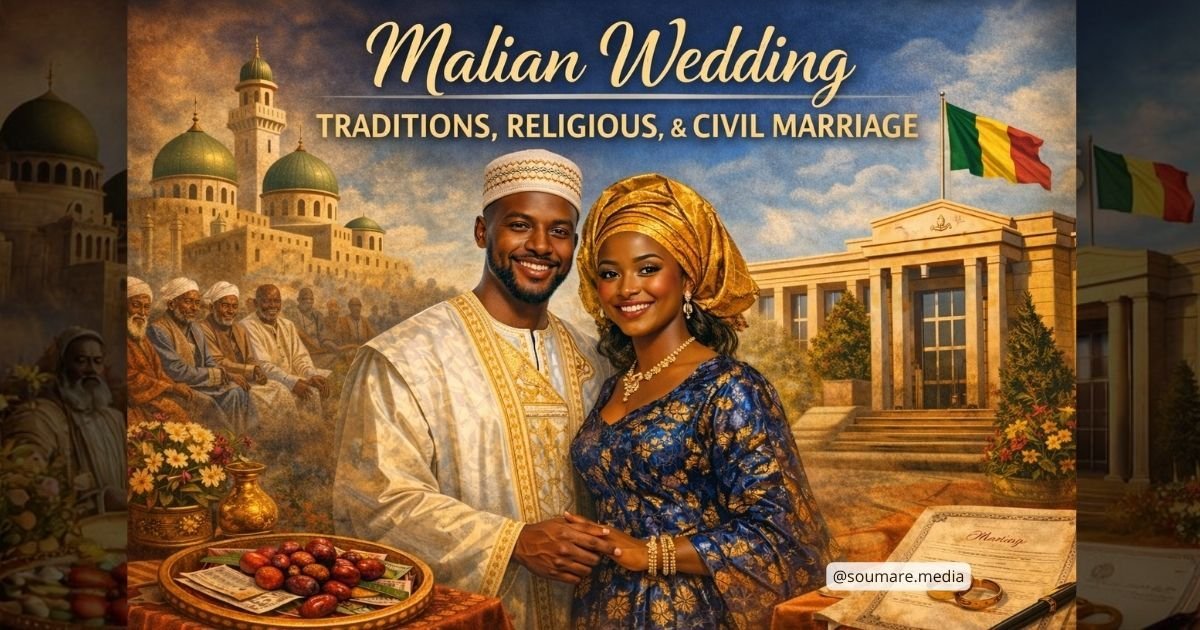
Discover the three key stages of a Malian wedding: the traditional, religious, and civil ceremonies. Blending cultural customs, spirituality, and legal structure, this institution reflects a rich and meaningful heritage.
A Malian wedding is built on three essential stages: traditional, religious, and civil.
Malian weddings combine tradition, spirituality and legal recognition.
🧭 Traditional Marriage in Mali: The Union of Families
In Mali, marriage is not simply the union of two individuals.
👉 It is, above all, the union of two kabilas — families, lineages, and sometimes entire communities, each carrying its own values, history, and responsibilities.
Within this framework, marriage becomes a structured process where each stage serves a distinct purpose:
social (traditional)
spiritual (religious)
legal (civil)
Getting married therefore means entering a collective system of commitment, where nothing is left to chance.
🥁 1. Traditional Malian Marriage: The Foundation of the Union
🧩 A Structured Alliance Between Families
Traditional marriage forms the foundation of the entire union.
👉 Social validation: Before the couple is fully involved, both families meet, exchange, and evaluate the compatibility of their respective kabilas, especially in terms of values, upbringing, and social standing.
👉 A community-centered approach: Each family brings more than an individual — it brings a history, a reputation, and a set of values it seeks to uphold.
🧔🏾 The Balimake-Kuntigi: A Key Figure on the Groom’s Side
The balimake-kuntigi plays a central role in organizing the marriage process.
👉 Leading the marriage proposal process: He initiates contact between the families, often through a griot (djeli), who conveys messages and facilitates communication according to tradition.
👉 Managing symbolic commitments: He oversees the payment of kola nuts, a fundamental gesture marking the official beginning of the marriage process and demonstrating the seriousness of the commitment.
👉 Coordinating religious arrangements: He liaises with the mosque, helps prepare the religious ceremony, and ensures that related expenses are handled.
👉 Handling administrative coordination: He may gather required documents, assist with pre-registration at the local authority, and follow up on obtaining the marriage certificate.
👉 Representing the groom’s family: Through his conduct, he reflects the image and credibility of the groom’s family, influencing the relationship between both sides.
👩🏾 The Balimamuso-Kuntigi: Organization and Cultural Transmission
The balimamuso-kuntigi plays a key role in the female dimension of the marriage.
👉 Coordinating the trousseau: She oversees the preparation of the bride’s trousseau (wedding luggage), organizes contributions from women in the family, and ensures quality and consistency.
👉 Passing down knowledge: She facilitates discussions where women share advice on married life, household management, and social expectations.
👉 Supporting integration: She helps the bride transition into her new family and fosters a climate of trust and reassurance.
👉 Maintaining relational balance: She brings warmth and emotional intelligence to complement the more formal role of the balimake-kuntigi.
💰 The Dowry: Commitment, Respect and Modern Challenges
The dowry remains a central element of traditional marriage.
👉 The groom’s commitment: It demonstrates his ability to take responsibility, provide for his spouse, and build a stable household.
👉 Respect for the bride’s family: It acknowledges the parents’ role in raising and educating their daughter.
👉 Social validation of the union: It formalizes the marriage within the community.
👉 A modern tension: Although symbolically regulated (around 15,000 FCFA), expectations today can exceed this amount, creating financial pressure.
🎁 The Trousseau: Preparing for Married Life
👉 Practical preparation: The bride’s luggage contains essential items to help her settle into her new home.
👉 Transmission of women’s knowledge: Women share practical advice on relationships, household management, and social conduct.
👉 Cultural framing: This moment reinforces family values and expectations.
👉 Emotional support: The bride is surrounded, reassured, and psychologically prepared for this life transition.
🕌 2. Religious Marriage in Mali: Spiritual Legitimacy
The religious ceremony is the heart of the union.
👉 Validation before God: It involves mutual consent, witnesses, and prayers that legitimize the marriage spiritually.
👉 A moment of collective blessings: Family members offer prayers for stability, peace, and success in married life.
👉 Strong emotional intensity: This is often the most meaningful moment, combining spirituality, tradition, and deep emotion.
👉 Connection to administrative steps: Documents prepared during this stage may be used for civil registration.
🏛️ 3. Civil Marriage in Mali: Legal Recognition
Civil marriage is the final step of the process.
👉 Protection of spouses’ rights: It legally defines the relationship and ensures rights in case of disputes or separation.
👉 Securing inheritance: It clarifies succession rights and helps prevent family conflicts.
👉 Recognition of children: It provides a clear legal framework for filiation and child protection.
👉 Administrative validity: It facilitates official procedures, especially in cases of mobility or diaspora.
👉 Adaptation to modern realities: Through legal mechanisms such as proxy, marriage can be conducted even if one partner is absent.
🔗 A Balance Between Three Pillars
Malian marriage is built on a structured balance:
Traditional: social validation
Religious: spiritual legitimacy
Civil: legal protection
👉 Each stage complements the others and strengthens the union.
❤️ Conclusion: A Living and Evolving Institution
A Malian wedding is far more than a ceremony.
It embodies:
the strength of family ties
the transmission of values
the central role of faith
and adaptation to modern realities
👉 It is a journey — a gradual construction where every participant plays a role.
And at its core, one truth remains:
👉 Marriage is not just about uniting two individuals, but about connecting histories, values, and generations.